
Manual Therapy for Chronic Condition Self-Care
Manual therapy for chronic conditions may help reduce muscular tension, support more comfortable movement, improve body awareness, and complement a well-rounded self-care plan.

Living with a chronic condition often means learning how to manage symptoms over time rather than waiting for them to disappear completely. Some days may feel manageable, while others bring increased pain, stiffness, fatigue, headaches, or limited mobility.
A well-rounded self-care routine can help you respond to those changes with more support and intention. Manual therapy, including therapeutic massage and other hands-on bodywork techniques, may be a valuable part of that routine.
Manual therapy is not a cure for chronic health conditions, and it should not replace medical care. However, when used alongside guidance from your healthcare providers, it may help reduce muscular tension, support mobility, improve body awareness, and make everyday movement feel more comfortable.
What Is Manual Therapy?
Manual therapy refers to hands-on techniques used to work with muscles, connective tissue, joints, and other soft tissues of the body.
Depending on your needs, a session may include:
- Therapeutic massage
- Myofascial techniques
- Gentle stretching
- Joint movement
- Trigger point work
- Lymphatic drainage techniques
- Relaxation-focused bodywork
- Targeted work for areas of tension or restricted movement
The pressure and approach should always be adjusted to your comfort level, symptoms, and overall health.
For people living with chronic conditions, more pressure is not always better. Gentle, thoughtful work can often be more appropriate than aggressive techniques, especially when the nervous system or tissues are already sensitive.

Why Chronic Conditions Often Affect More Than One Area
Chronic pain and health conditions can change the way the entire body moves.
For example, pain in one area may cause you to shift your posture, favor one side, shorten your stride, or avoid certain movements. Over time, these protective patterns may create tension or fatigue in other areas.
Someone with chronic low-back pain may also develop tightness through the hips, glutes, or upper back. A person who experiences frequent headaches may hold tension through the jaw, neck, and shoulders. Someone with joint pain may unconsciously brace the surrounding muscles to feel more stable.
Manual therapy looks beyond the most noticeable symptom. It allows the therapist to consider how different areas of the body may be compensating and contributing to discomfort.
Manual Therapy May Help Reduce Muscular Tension
When the body is repeatedly managing pain or instability, muscles may remain tense for long periods.
This tension can be protective. The body may tighten muscles around a painful, weak, or sensitive area in an attempt to create stability. However, constant bracing can also contribute to soreness, fatigue, and reduced movement.
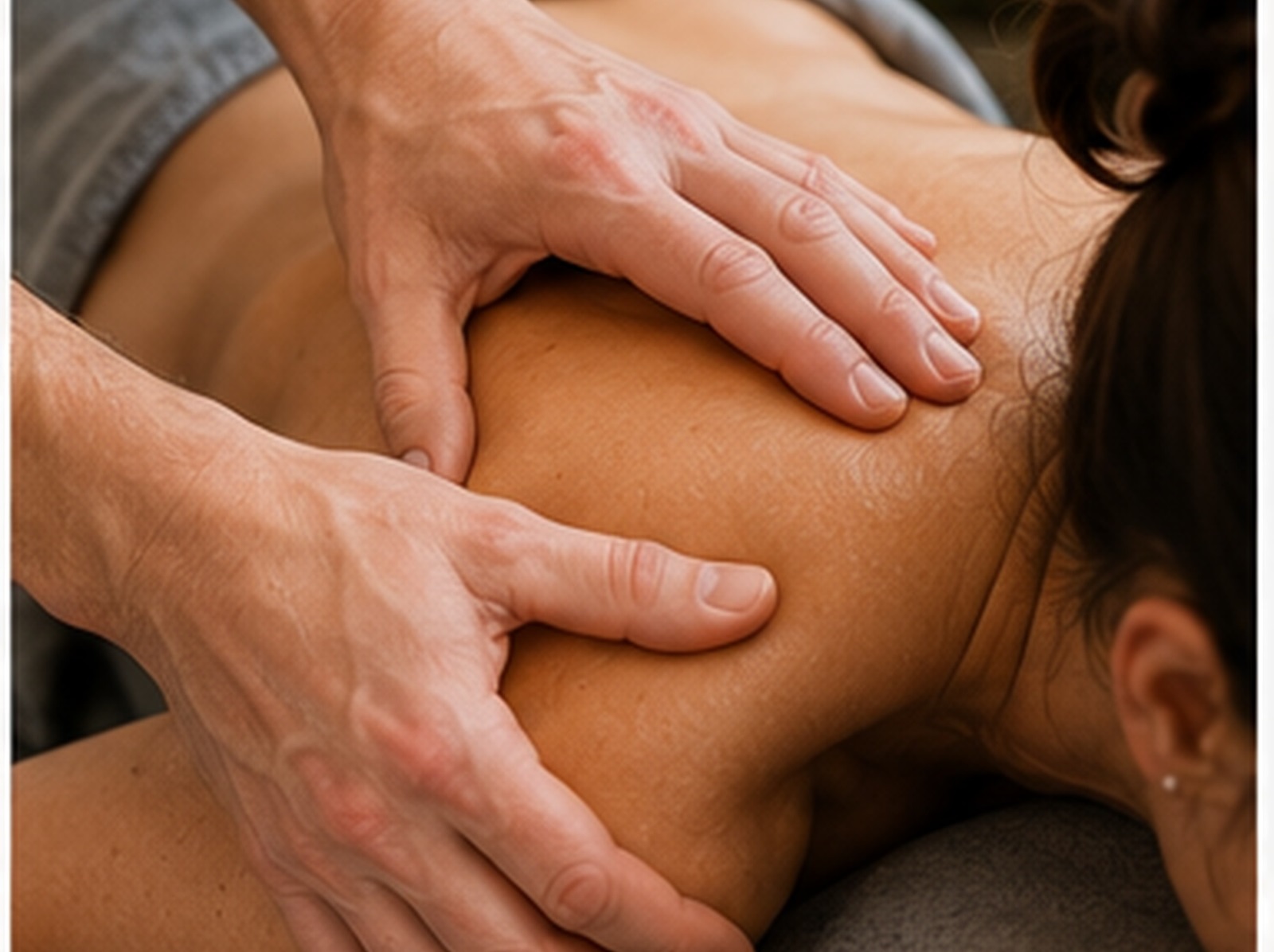
Manual therapy may help calm overly tense muscles and create a temporary sense of ease. This can be especially helpful for people who experience recurring tightness around the neck, shoulders, lower back, hips, or legs.
The goal is not always to force a muscle to release. Instead, skilled bodywork can encourage the area to soften gradually without creating additional irritation.
It Can Support More Comfortable Movement
Chronic conditions can make movement feel uncertain or difficult. Stiffness, pain, fear of aggravating symptoms, and fatigue may all lead to reduced activity.
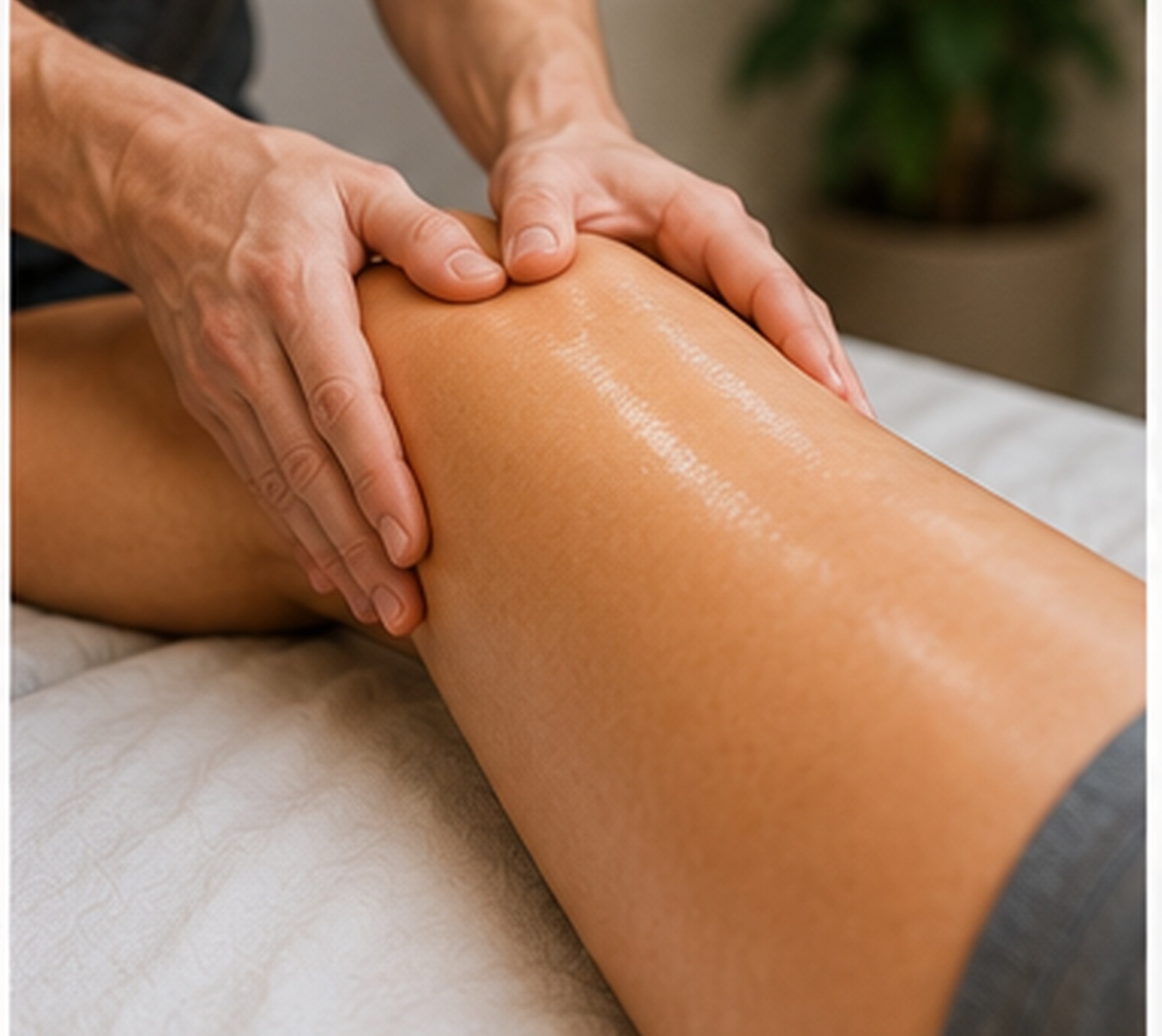
Manual therapy may help improve the way soft tissues move and respond. When muscles and connective tissues feel less restricted, everyday actions such as turning the head, reaching overhead, walking, bending, or getting out of a chair may feel easier.
This does not mean one massage session will permanently restore mobility. Instead, bodywork may create a window of improved comfort that supports other beneficial activities, such as stretching, physical therapy exercises, walking, strength training, or gentle movement.
Manual therapy often works best when it is one part of a larger care plan.
It May Improve Body Awareness
Chronic pain can make it difficult to understand what the body needs.
Some people become highly focused on every uncomfortable sensation. Others learn to ignore discomfort until symptoms become overwhelming. Both responses are understandable, but they can make it harder to notice early signs of tension, fatigue, or overuse.
During a manual therapy session, you have time to slow down and pay attention to how different areas of your body feel.
You may begin to notice:
- Where you tend to hold tension
- Which movements feel restricted
- Whether one side feels different from the other
- How stress affects your breathing
- Which positions feel supportive
- When pressure feels helpful or uncomfortable
This increased awareness can help you make more informed choices between sessions.
You may recognize when you need rest, movement, hydration, stretching, or professional support before symptoms become more intense.
Manual Therapy Can Support Nervous System Regulation
Chronic discomfort does not only affect muscles and joints. It can also influence the nervous system.
Living with ongoing pain or unpredictable symptoms may keep the body in a heightened state of alert. You may feel restless, guarded, tense, or unable to fully relax.
Slow, supportive bodywork may help encourage the body to shift toward a calmer state. Many people notice deeper breathing, reduced muscle guarding, or an improved ability to rest after a session.
This relaxation response may be particularly valuable for people whose symptoms become worse during periods of stress.
Manual therapy cannot remove every source of stress, but it can provide dedicated time for the body to feel supported and safe.
Conditions That May Benefit From Supportive Bodywork
Every person responds differently, but manual therapy may be considered as part of a self-care routine for people living with conditions such as:
- Fibromyalgia
- Hypermobility
- Arthritis
- Chronic headaches or migraines
- Degenerative disc conditions
- Persistent neck or back pain
- Repetitive strain conditions
- Scar tissue or postsurgical restrictions
- Ongoing muscle tension
- Stress-related pain patterns
The techniques used should be adapted to the individual. Someone with fibromyalgia may need very gentle pressure, while someone with chronic muscular tightness may benefit from more targeted work.
A therapist should never use the same approach for every person or every condition.
Consistency May Be More Helpful Than Waiting for a Flare-Up
Many people schedule bodywork only when pain becomes severe. While massage may still provide comfort during those times, waiting until symptoms are overwhelming can make it harder to create lasting change.
Regular sessions may help you identify patterns before they become major flare-ups. They also give your therapist the opportunity to understand how your body responds over time.
Consistency does not necessarily mean weekly appointments. The right schedule depends on your symptoms, goals, budget, and care plan.
Some people benefit from more frequent sessions at first and gradually space them out. Others use massage once or twice a month as ongoing maintenance.
The most helpful schedule is one that feels realistic and supports your overall well-being.
What to Tell Your Massage Therapist
Communication is especially important when you live with a chronic condition.
Before your session, let your therapist know about:
- Your diagnosed conditions
- Areas of pain, numbness, or sensitivity
- Recent injuries or surgeries
- Medications that may affect bruising or sensation
- Joint instability or hypermobility
- Areas you do not want treated
- Techniques that have helped or irritated you in the past
- Changes in your symptoms
You should also speak up during the session. Pressure should never feel overwhelming, sharp, or unsafe.
Your therapist can adjust the position, pressure, technique, or session plan at any time.
Manual Therapy Is One Part of Self-Care
Self-care for chronic conditions is rarely one single treatment.
It may include medical care, physical therapy, movement, sleep support, nutrition, stress management, medication, counseling, and meaningful daily routines.
Manual therapy can complement those efforts by helping you feel more comfortable and connected to your body.
It is not about fixing everything in one session. It is about giving the body appropriate support and creating more opportunities for movement, rest, and relief.
A Personalized Approach to Chronic Pain Support
At Centerville Therapeutic Massage, we understand that chronic pain is complex.
With a collective 40 years of experience in bodywork and a strong interest in anatomy, we take the time to understand how your symptoms affect your movement, comfort, and daily life.
We have worked with a wide variety of bodies and chronic conditions, including hypermobility, fibromyalgia, migraines, arthritis, degenerative disc disease, and persistent pain patterns.
Each session is adapted to the person in front of us. We focus on thoughtful, informed bodywork designed to support comfort and function without relying on a one-size-fits-all approach.
If you have been looking for a massage therapist who will listen closely, better understand your pain, and help you work toward improved function, manual therapy may be a valuable addition to your self-care routine.