
What Is Oncology Massage?
Oncology massage is a specialized approach to massage therapy that adapts pressure, positioning, session length, and techniques for people living with cancer, undergoing treatment, or recovering from cancer treatment.
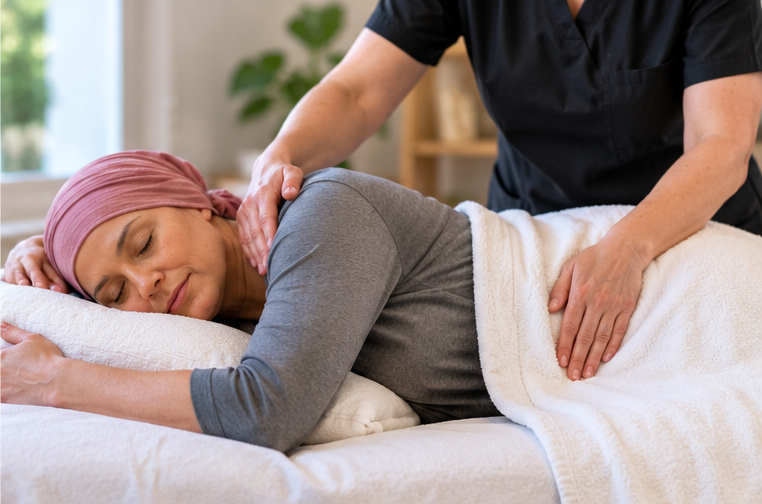
Massage therapy can be a valuable form of supportive care for many people, but individuals who are living with cancer, undergoing cancer treatment, or recovering from treatment often have needs that require additional consideration. Oncology massage is a specialized approach to massage therapy designed with those needs in mind.
Unlike a standard massage session, oncology massage is adapted according to a person's health history, current treatment, symptoms, medications, energy levels, and other factors that may affect how their body responds to bodywork.
The goal isn't to treat cancer itself. Instead, oncology massage focuses on providing safe, individualized bodywork that may help promote relaxation, comfort, and an improved sense of well-being during a physically and emotionally demanding time.
What Is Oncology Massage?
Oncology massage is massage therapy specifically modified for people who have been diagnosed with cancer or have a history of cancer.
Rather than referring to one particular massage technique, the term describes an approach to massage that takes a person's cancer diagnosis, treatments, and related health considerations into account.
An oncology massage therapist may modify factors such as:
- The amount of pressure used
- Session length
- Positioning on the massage table
- Areas of the body that are worked on or avoided
- Pace and intensity of the massage
- Techniques used during the session
These adjustments are important because cancer and cancer treatments can affect the body in many different ways. Surgery, chemotherapy, radiation therapy, medications, fatigue, changes in blood counts, lymph node removal, and other factors can all influence how massage should be approached.
There is no single oncology massage routine that is appropriate for everyone.
How Is Oncology Massage Different From Regular Massage?
One of the biggest differences is the level of individualization involved.
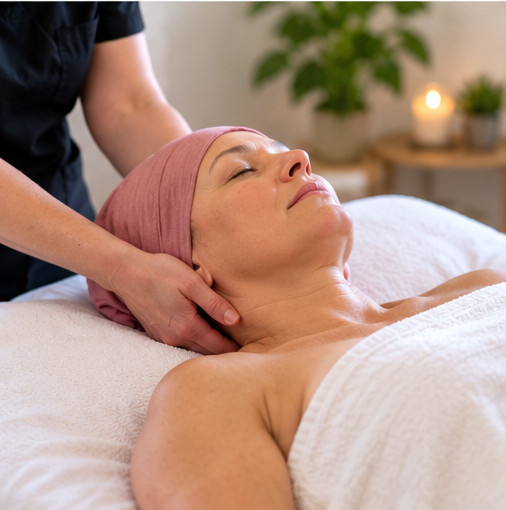
During a traditional therapeutic massage, a therapist might use deeper pressure to address muscular tension, trigger points, or restricted areas. That approach may not always be appropriate for someone undergoing cancer treatment.
With oncology massage, the therapist considers what the individual's body is experiencing at that particular point in treatment or recovery.
For example, someone experiencing significant fatigue may benefit from a shorter, gentler session. Someone who has recently undergone surgery may require different positioning or avoidance of the surgical area. A person who has undergone lymph node removal may require additional precautions because of their risk for lymphedema.
The massage is adapted to the person rather than asking the person to adapt to a predetermined massage routine.
Why Does Cancer Treatment Affect Massage?
Cancer treatment can create temporary or long-term changes throughout the body. Understanding these changes is an important part of providing appropriate massage therapy.
Depending on the individual, considerations may include:
- Surgical sites and scar tissue
- Radiation areas
- Ports or medical devices
- Neuropathy
- Fatigue
- Pain or sensitivity
- Swelling
- Bruising
- Bone involvement
- Changes in blood counts
- Medication side effects
- An increased risk of lymphedema
Some of these factors may simply require adjusting pressure or positioning. Others may mean avoiding a particular area altogether.
Because every person's diagnosis and treatment experience is different, communication between the client and massage therapist is especially important.
What Are the Potential Benefits of Oncology Massage?
Cancer and its treatment can place tremendous physical and emotional demands on the body. Oncology massage may provide supportive benefits that help make that experience more comfortable.
Depending on the individual, gentle massage may help promote:
Relaxation and Stress Reduction
A massage session can provide an opportunity to rest and temporarily step away from the stress surrounding appointments, treatments, and recovery.
Comfort
Carefully adapted bodywork may help ease general muscular tension and promote a greater sense of physical comfort.
Improved Sense of Well-Being
Safe, compassionate touch can be meaningful during a period when much of a person's physical contact may involve medical procedures and examinations.
Rest and Relaxation
Many people find gentle massage deeply relaxing, which can make it easier to settle physically and mentally.
Massage should be viewed as supportive care rather than cancer treatment. Oncology massage does not diagnose, cure, or eliminate cancer and should not replace treatment or recommendations from an oncology team.
Is Deep Tissue Massage Used During Oncology Massage?
Not necessarily.
One misconception about massage is that stronger pressure automatically produces better results. Oncology massage often takes a different approach.
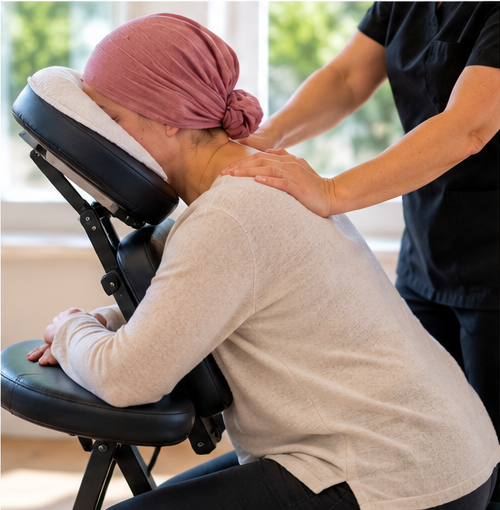
Depending on the person's health and treatment status, lighter pressure, slower movements, shorter sessions, or more limited areas of massage may be appropriate.
There may also be situations where deeper pressure should be avoided entirely.
The objective is not to push the body as hard as possible. It is to provide bodywork that respects what the body is currently experiencing.
What About Lymph Nodes and Lymphedema?
The lymphatic system can be an especially important consideration for some people who have undergone cancer treatment.
Certain cancer surgeries involve the removal or biopsy of lymph nodes. Radiation can also affect lymphatic structures. These changes may increase a person's risk of developing lymphedema, which is swelling caused by an accumulation of lymphatic fluid.
This doesn't necessarily mean someone cannot receive massage. It does mean that their massage therapist needs to understand their medical history and modify the session appropriately.
It is also important to distinguish oncology massage from manual lymphatic drainage (MLD). Although the two may sometimes overlap within a person's broader supportive care plan, they are not interchangeable and require appropriate training.
Can You Receive Oncology Massage During Cancer Treatment?
Some people may be able to receive appropriately modified massage while undergoing cancer treatment, while others may need to wait or receive clearance from their healthcare team.
The answer depends on factors such as the type of cancer, current treatment, recent surgeries, blood counts, medications, medical devices, bone involvement, infection risk, and other health considerations.
If there is any uncertainty about whether massage is appropriate, speaking with your oncologist or another member of your healthcare team before scheduling is a good place to start.
Your massage therapist should also know about relevant changes in your treatment or health before each session. What was appropriate several months ago may need to be adjusted as treatment progresses.

What Should You Expect From an Oncology Massage Session?
An oncology massage session should begin with a conversation.
Your therapist may ask about your:
- Diagnosis
- Treatment history
- Recent or upcoming surgeries
- Medications
- Radiation treatment
- Lymph node removal
- Areas of pain or sensitivity
- Medical devices
- Current energy level and how you are feeling that day
These questions aren't meant to make the experience feel clinical. They help the therapist determine how to make the session as comfortable and appropriate as possible.
Positioning may also be modified. Pillows, bolsters, side-lying positions, or other adjustments can be used when lying face-down or face-up is uncomfortable.
Most importantly, you should always feel comfortable communicating during your session. If something doesn't feel right, pressure can be adjusted, positioning can change, or the massage can stop.
Oncology Massage Is About Meeting Your Body Where It Is
Living with cancer or recovering from cancer treatment can change how your body feels from one day to the next. Massage therapy during this time shouldn't follow a rigid formula.
Oncology massage is about adapting bodywork to the individual.
A thoughtful session considers not only where you feel discomfort, but also your medical history, treatment experience, energy level, sensitivities, and personal comfort.
Oncology Massage at Centerville Therapeutic Massage
At Centerville Therapeutic Massage, we believe bodywork should begin with understanding the person on the table. Our approach emphasizes thoughtful, individualized care and a deep respect for the body's anatomy and changing needs.
If you are living with cancer, undergoing treatment, or navigating life after treatment and are considering massage therapy, contact us to discuss whether oncology massage may be appropriate for you.
Ready to learn more about oncology massage? Contact Centerville Therapeutic Massage to discuss your needs or schedule an appointment.