
How Manual Therapy Can Help People With EDS, Fibromyalgia, and Arthritis
Gentle, personalized manual therapy may help reduce muscle tension, discomfort, and stiffness associated with EDS, fibromyalgia, arthritis, and other chronic pain conditions.

Living with a chronic condition can change how you move, rest, work, and participate in everyday life. Pain may shift from one area to another, and activities that feel manageable one day may become difficult the next.
Conditions such as Ehlers-Danlos syndrome (EDS), fibromyalgia, and arthritis affect the body in different ways. However, they can share symptoms such as muscle tension, joint discomfort, stiffness, fatigue, and sensitivity to touch.
Manual therapy cannot cure these conditions or replace medical care. When carefully adapted to the individual, however, it may become a helpful part of a broader pain-management and self-care plan.
At Centerville Therapeutic Massage, we understand that chronic pain requires more than a standard, one-size-fits-all massage. Your body, symptoms, comfort level, and goals should guide every session.
What Is Manual Therapy?
Manual therapy refers to hands-on techniques used to work with muscles, connective tissues, and other soft tissues of the body.
Depending on your needs, a session may include:
- Therapeutic massage
- Gentle myofascial techniques
- Soft-tissue mobilization
- Trigger point work
- Positional release techniques
- Gentle, supported movement
- Relaxation-focused bodywork
- Targeted attention to areas of muscular tension
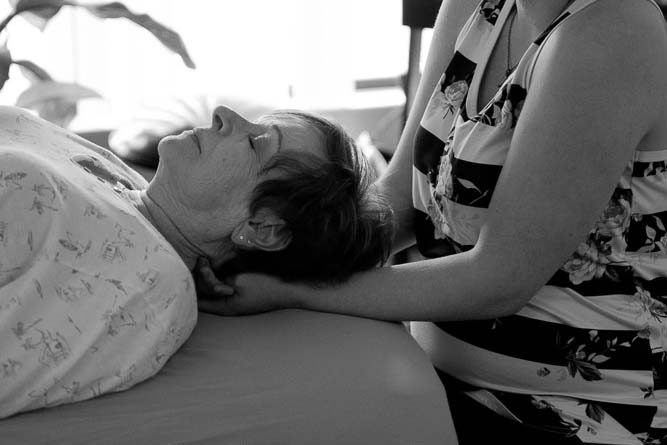
Manual therapy does not need to be forceful to be effective. In fact, people with chronic pain, joint instability, or heightened sensitivity may respond better to slower, gentler techniques.
The appropriate amount of pressure can also change from one appointment to the next. A technique that feels comfortable on a relatively good day may be too much during a flare.
How Can Manual Therapy Support Chronic Pain Management?
Chronic conditions often affect more than one isolated muscle or joint. Pain can influence posture, breathing, sleep, stress, and the way the body compensates during movement.
For example, when a joint feels unstable or painful, nearby muscles may work harder to protect it. Over time, those muscles may become tired, tight, or sore. Pain in one part of the body can also cause someone to shift weight or change how they walk, sit, or reach, creating tension elsewhere.
A personalized manual therapy session may help:
- Reduce feelings of muscular tightness
- Ease temporary stiffness
- Promote relaxation
- Improve comfort during everyday movement
- Calm areas that have become tense from guarding
- Increase awareness of how the body is holding tension
- Support rest and recovery
- Provide non-pharmaceutical symptom support
Results vary from person to person. The goal is not to force the body into a particular position or promise that pain will disappear. The goal is to help the person feel safer, more comfortable, and better supported in their body.
Manual Therapy for Ehlers-Danlos Syndrome and Hypermobility
Ehlers-Danlos syndromes are connective tissue disorders. Some forms of EDS, particularly hypermobile EDS, may involve joint instability, recurring sprains, subluxations, muscle spasms, fatigue, and persistent pain.
People with hypermobility may appear very flexible, but that does not mean their muscles are relaxed. Muscles often work overtime to stabilize joints that do not feel secure. This additional effort may contribute to muscle fatigue, tightness, and protective guarding.
Gentle manual therapy may help calm overworked muscles and reduce some of the discomfort associated with this guarding. The Ehlers-Danlos Society includes gentle manual therapy among the approaches that physical therapists may use to help reduce pain and support function.
However, treatment must be approached carefully. Forceful manipulation, aggressive joint mobilization, deep stretching, or attempts to increase an already excessive range of motion may create additional instability or irritation.
For clients with EDS or another hypermobility condition, a session may need to include:
- Light or moderate pressure
- Careful positioning and additional bolstering
- Support around unstable joints
- Limited or no stretching
- Avoidance of forceful joint manipulation
- Regular communication about pressure and comfort
- Shorter sessions when fatigue or sensitivity is elevated
EDS includes multiple subtypes with different medical risks. Clients should tell their massage therapist about their specific diagnosis, history of joint instability, skin fragility, bruising, vascular concerns, and any instructions provided by their healthcare team.
Manual Therapy for Fibromyalgia
Fibromyalgia is a chronic condition commonly associated with widespread pain, fatigue, sleep difficulties, tenderness, and increased sensitivity to pressure or other sensory input.
Because the nervous system may process sensations differently in someone with fibromyalgia, techniques that are comfortable for one person may feel overwhelming to another. Even pressure that felt helpful during a previous appointment may feel uncomfortable during a flare.
Current research does not show that massage cures fibromyalgia. The National Center for Complementary and Integrative Health reports limited evidence that massage therapy may provide modest improvement in some fibromyalgia symptoms.
For some people, carefully paced manual therapy may help with:
- Temporary relief from muscular discomfort
- Relaxation
- Reduced feelings of stiffness
- Improved comfort before sleep
- Decreased stress
- A greater sense of physical ease
Successful bodywork for fibromyalgia is not measured by how deeply the therapist can work. It is measured by how well the session respects the client’s sensitivity and how the body responds afterward.
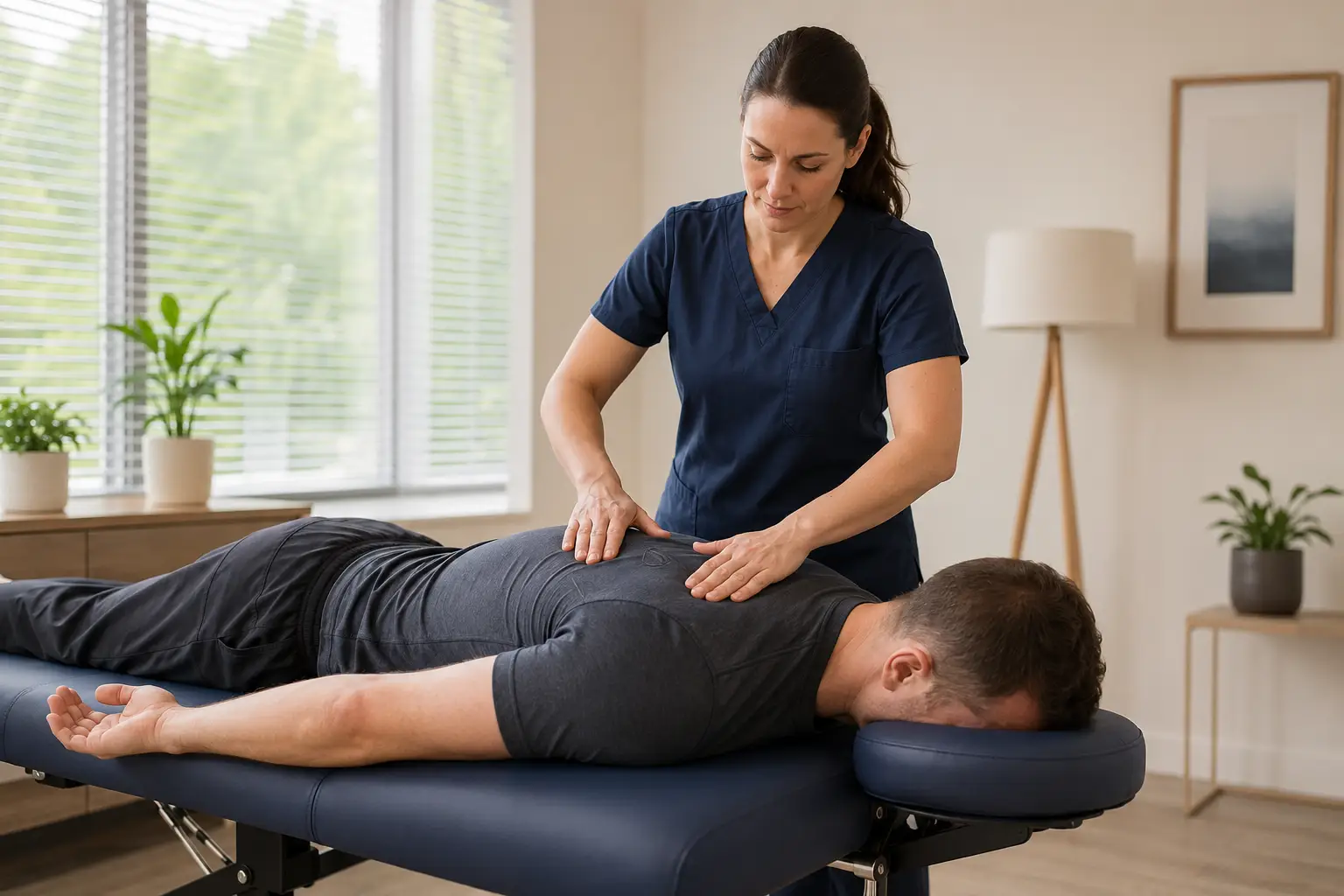
A therapist may begin with lighter pressure, work for shorter periods, avoid highly sensitive areas, and adjust the treatment continuously. The goal is to avoid overwhelming the nervous system or leaving the client with a significant increase in symptoms.
Manual Therapy for Arthritis
Arthritis is a broad term that includes more than 100 conditions affecting joints and surrounding tissues. Osteoarthritis involves changes within a joint over time, while inflammatory forms of arthritis—such as rheumatoid arthritis—are associated with immune-system activity and inflammation.
Massage therapy does not treat the underlying cause of arthritis or stop joint damage. It may, however, help relieve tension in muscles surrounding an uncomfortable joint and provide temporary improvements in comfort, stiffness, and relaxation.
When a joint hurts, the muscles around it may tighten in an attempt to protect the area. Other parts of the body may then compensate for the painful movement. Manual therapy can be directed toward these surrounding muscles without placing unnecessary pressure on the affected joint.
During an active inflammatory flare, direct work over a joint may not be appropriate. The session may need to be gentler, focused on other areas, shortened, or rescheduled depending on the severity of the symptoms and the guidance of the client’s healthcare provider.
Clients should inform their therapist about joint replacements, medications, swelling, recent injections, surgery, osteoporosis, and any joints that feel hot, unstable, or unusually painful.
What About Other Inflammatory or Chronic Conditions?
People living with lupus, psoriatic arthritis, ankylosing spondylitis, inflammatory bowel disease, chronic fatigue, migraine disorders, or other complex conditions may also experience muscle tension and pain.
It is important to distinguish symptom support from medical treatment. Manual therapy should not be presented as a way to eliminate systemic inflammation or treat an autoimmune disease. Those conditions require evaluation and management by qualified medical professionals.
Bodywork may instead support comfort by addressing some of the secondary effects of living with a chronic condition, such as:
- Muscle guarding
- Compensatory movement patterns
- Stress-related tension
- Reduced activity
- Difficulty relaxing
- Physical fatigue
- Disrupted rest
Whether massage is appropriate depends on the condition, current symptoms, medications, and overall health of the client.
Why Individualized Treatment Matters
Two people with the same diagnosis may have very different experiences. One person with fibromyalgia may find light, flowing massage relaxing, while another may prefer still pressure or very limited touch. One person with EDS may need extra support beneath several joints, while another may be comfortable in a standard position with only minor changes.
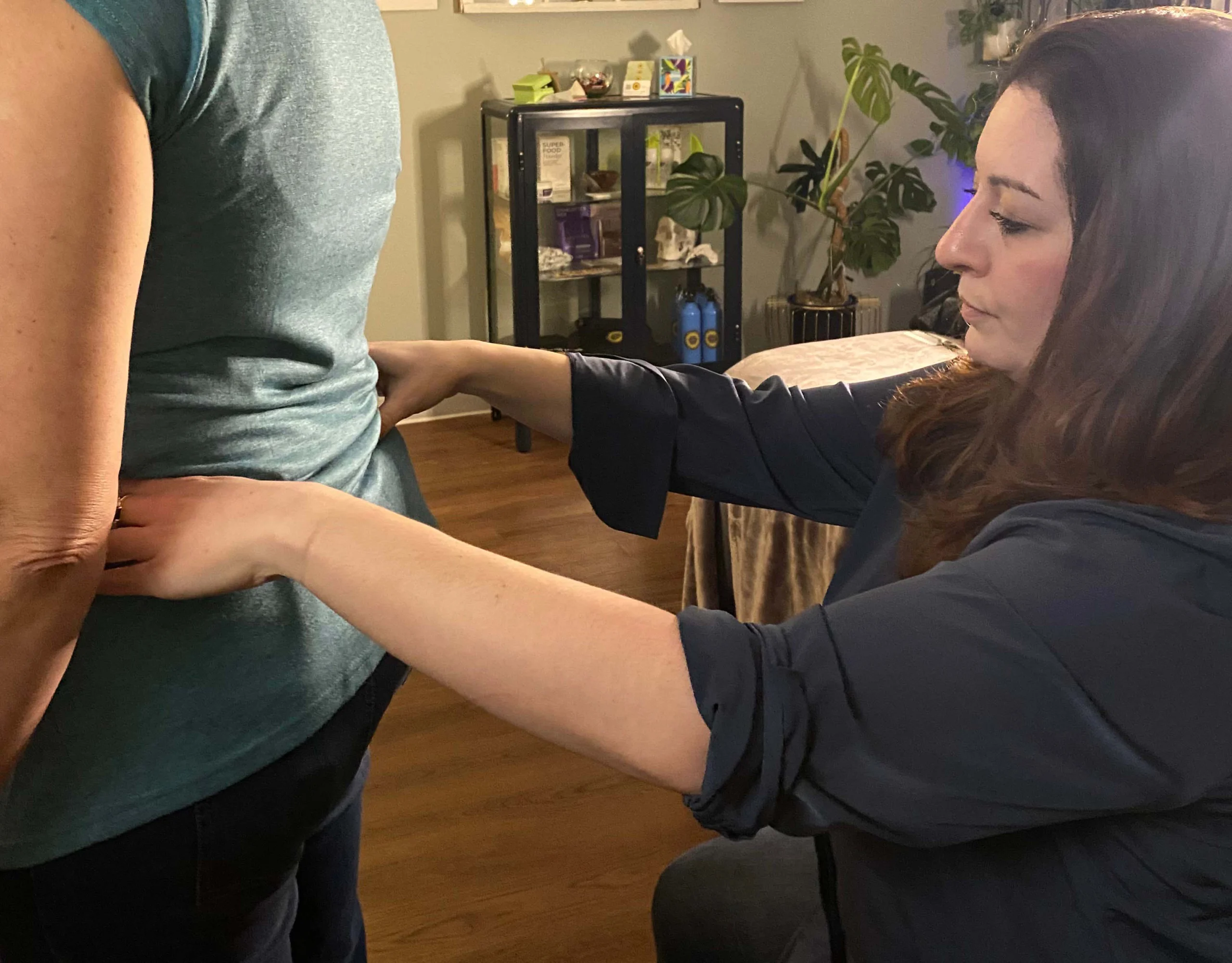
Treatment should be based on the person in front of the therapist—not only the name of the diagnosis.
Before and during a session, it is helpful to discuss:
- Where you are experiencing pain or tension
- Whether you are currently in a flare
- How you responded to previous massage sessions
- Areas that should not be touched
- Pressure preferences
- Joint instability or recent injuries
- Skin sensitivity or easy bruising
- Relevant medications and medical procedures
- Positions that are comfortable or uncomfortable
- What you hope to gain from the session
Clear communication allows the therapist to make informed adjustments. You should always feel comfortable asking for less pressure, requesting a different position, skipping an area, or ending a technique.
What Should You Expect After a Session?
Some people feel more relaxed or experience less muscular tension after manual therapy. Others may notice fatigue, mild soreness, or a temporary change in symptoms.
Significant pain or a strong flare should not be treated as proof that the massage “worked.” More pressure is not always better, especially for someone with a chronic pain condition.
Your response to a session provides useful information for future appointments. If you experience increased pain, unusual bruising, joint instability, dizziness, or worsening symptoms, tell your therapist and contact your healthcare provider when appropriate.
Future sessions can often be adjusted by using less pressure, avoiding certain techniques, changing positioning, or reducing the length of the appointment.
When Should Manual Therapy Be Avoided?
Massage may need to be postponed or modified if you have:
- A fever or active infection
- An unexplained new symptom
- A recent fracture, dislocation, or acute injury
- A blood clot or suspected blood clot
- An open wound or contagious skin condition
- Significant unexplained swelling
- A hot, red, acutely inflamed joint
- Recent surgery without medical clearance
- New or rapidly worsening neurological symptoms
If you are unsure whether massage is appropriate, speak with your physician or another qualified healthcare professional before scheduling.
Manual Therapy as Part of a Larger Care Plan
Chronic pain frequently requires a team approach. Depending on your condition, your care plan may involve a physician, rheumatologist, physical therapist, occupational therapist, mental health professional, nutrition professional, or other specialist.
Manual therapy can complement this care by supporting relaxation, reducing muscular tension, and helping you feel more comfortable as you move through daily life. It should not replace medical evaluation, prescribed treatment, stability exercises, or other necessary care.
Compassionate Manual Therapy in Centerville, Ohio
Living with chronic pain can be exhausting, especially when you feel that others do not fully understand what your body is experiencing.
At Centerville Therapeutic Massage, we take the time to listen. Our therapists bring a collective 40 years of bodywork experience, a strong interest in anatomy, and experience working with a variety of healthy bodies and chronic pain conditions.
Every session is adapted to your current needs. We do not assume that you need deep pressure, aggressive stretching, or the same treatment each time you visit. We work with your body’s boundaries to support comfort, relaxation, and functionality.
If you have been looking for a massage therapist who will listen to your concerns and approach your pain thoughtfully, we invite you to schedule an appointment at our Centerville location inside the Turning Point Wellness Center.
Frequently Asked Questions
Is massage therapy safe for someone with EDS?
Massage may be appropriate for some people with EDS, but it must be adapted to the individual. Gentle pressure, supported positioning, and avoiding forceful manipulation or overstretching are especially important. Because EDS has multiple subtypes, speak with your healthcare provider when you are uncertain whether massage is appropriate.
Can massage cure fibromyalgia?
No. Massage cannot cure fibromyalgia. Limited research suggests that it may provide modest relief from certain symptoms for some people. Pressure, session length, and techniques should be adjusted carefully to avoid increasing sensitivity or triggering a flare.
Can I receive massage during an arthritis flare?
It depends on the type and severity of the flare. Direct pressure over a hot, swollen, or acutely inflamed joint may not be appropriate. Your therapist may modify the session, avoid the affected area, or recommend postponing treatment. Consult your healthcare provider if you are unsure.
Does manual therapy reduce inflammation?
Manual therapy may help reduce muscular tension and improve comfort, but it should not be described as a treatment for systemic inflammation or autoimmune disease. Medical conditions that cause inflammation require appropriate diagnosis and management from a healthcare professional.
Does chronic pain massage need to use deep pressure?
No. Deep pressure is not necessary for every client and may worsen symptoms for people with fibromyalgia, hypermobility, active inflammation, or heightened sensitivity. Gentle, carefully adjusted work may be more appropriate and comfortable.
How often should someone with chronic pain receive manual therapy?
There is no single schedule that works for everyone. Frequency depends on your condition, response to treatment, goals, budget, and healthcare provider’s recommendations. Your therapist can help you evaluate how your body responds and develop a reasonable schedule.