What Is Spontaneous Muscle Relaxation Therapy?
Spontaneous muscle relaxation is a specialized form of bodywork designed to release involuntary muscle contractions and long-held tension patterns. Unlike traditional massage techniques that often focus on surface-level relief, this therapy works more deeply with both the muscular and nervous systems to create lasting change.
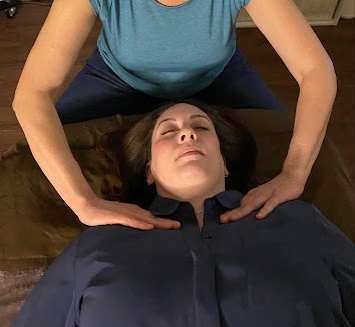
Spontaneous muscle relaxation is a specialized form of bodywork designed to release involuntary muscle contractions and long-held tension patterns. Unlike traditional massage techniques that often focus on surface-level relief, this therapy works more deeply with both the muscular and nervous systems to create lasting change.
The “spontaneous” aspect refers to the body’s natural ability to release tension when it feels safe and supported. Instead of forcing muscles to relax through pressure, this method encourages the body to let go on its own. That distinction is what makes spontaneous muscle relaxation therapy so effective—because the release is not imposed, it tends to last much longer.
In this article, we’ll explain what spontaneous muscle relaxation is, why the body holds tension, how this therapy works, who it may help, and what you can expect during a session.
What Is Spontaneous Muscle Relaxation Therapy?
Spontaneous muscle relaxation is a specialized form of bodywork designed to release involuntary muscle contractions and long-held tension patterns. Unlike traditional massage techniques that often focus on surface-level relief, this therapy works more deeply with both the muscular and nervous systems to create lasting change.
The “spontaneous” aspect refers to the body’s natural ability to release tension when it feels safe and supported. Instead of forcing muscles to relax through pressure, this method encourages the body to let go on its own.
Because the release is not imposed, it often lasts much longer and helps the body move toward a more natural, balanced state.
Why the Body Holds Tension
Muscle tension is rarely random. The body develops patterns over time in response to stress, injury, posture, and repetitive movement. When these patterns are repeated long enough, they become the body’s default state.
Many people experience chronic tightness due to everyday habits like prolonged sitting, poor posture, or high stress levels. Over time, muscles can remain partially contracted without the person even realizing it. This constant low-level tension contributes to stiffness, discomfort, and restricted mobility.
Some of the most common contributors to chronic tension include:
- Long-term stress and nervous system overload
- Postural imbalances from desk work or phone use
- Old injuries that were never fully resolved
- Repetitive strain from work or exercise
- Conditions such as hypermobility or chronic pain syndromes
Spontaneous muscle relaxation therapy addresses these patterns at their source rather than simply treating the symptoms.
How Spontaneous Muscle Relaxation Therapy Works
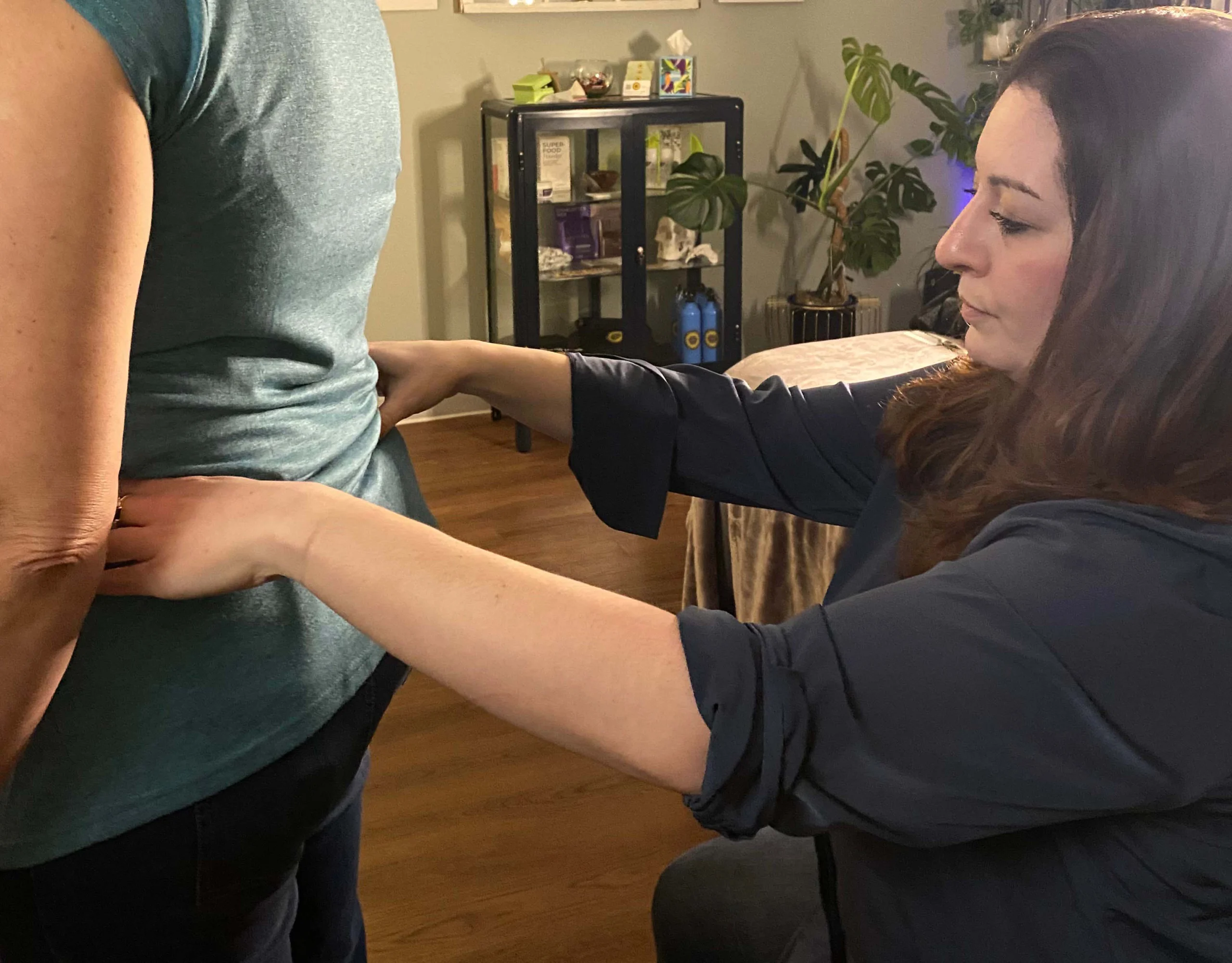
Spontaneous muscle relaxation therapy works by communicating directly with the nervous system. Through slow, intentional touch and precise positioning, the therapist creates an environment where the body feels safe enough to release tension naturally.
Instead of deep, forceful pressure, the approach is subtle and targeted. The therapist may guide certain muscles into positions that allow them to “reset,” or use neuromuscular techniques that encourage feedback between the brain and body.
As this happens, muscles begin to release on their own—sometimes gradually, sometimes in noticeable waves of relaxation.
Clients often describe this as a “melting” sensation or a sudden ease in areas that previously felt tight or restricted. This spontaneous release is the key goal of the therapy and signals that the body is shifting toward a more balanced state.
The Nervous System Connection
A major reason spontaneous muscle relaxation therapy is so effective lies in its impact on the nervous system. Many chronic pain issues are not just physical—they are deeply tied to how the nervous system responds to stress and perceived threat.
When the body is stuck in a fight-or-flight state, muscles remain tense as a protective mechanism. This can persist even when there is no immediate danger. SMRT helps guide the body into a parasympathetic state, often referred to as “rest and digest,” where healing and repair are possible.
As the nervous system calms, clients may notice:
- A decrease in pain intensity
- Improved circulation and warmth in the body
- Greater ease of movement
- A sense of overall relaxation and mental clarity
This shift is often what allows long-standing tension patterns to finally release.
Benefits of Spontaneous Muscle Relaxation Therapy
One of the most compelling reasons to explore spontaneous muscle relaxation is the wide range of benefits it offers. Because it works with the body as a whole, improvements are often felt in multiple areas.
Many clients seek out this therapy for chronic pain relief. Conditions such as fibromyalgia, arthritis, degenerative disc disease, and persistent neck or back pain often involve deeply ingrained tension patterns. By addressing these patterns directly, SMRT can provide longer-lasting relief compared to more temporary solutions.
Mobility is another area where people see significant improvement. As tight muscles release, joints are able to move more freely, making everyday activities feel easier and more natural. This can be especially beneficial for athletes, active individuals, or anyone recovering from injury.
There are also noticeable effects on stress and mental well-being. Because spontaneous muscle relaxation therapy helps regulate the nervous system, many people experience reduced anxiety, better sleep, and a deeper sense of calm after sessions.
Additional benefits may include:
- Improved posture without forced correction
- Enhanced body awareness and movement control
- Reduced frequency of tension headaches or migraines
- Better recovery from physical activity
Who Can Benefit from This Therapy?
Spontaneous muscle relaxation therapy is highly adaptable, making it suitable for a wide variety of individuals. Whether you’re dealing with a specific condition or simply want to feel better in your body, this approach can be tailored to your needs.
It is particularly helpful for people managing chronic pain conditions, including those with hypermobility, where joint instability often leads to compensatory muscle tension. Office workers who spend long hours sitting or using computers also benefit greatly, as the therapy can address postural strain and repetitive stress patterns.
Athletes and physically active individuals often use spontaneous muscle relaxation therapy to enhance performance and prevent injury. By keeping muscles balanced and responsive, the body is better able to move efficiently and recover more quickly.
Even those without specific pain concerns can benefit from the deep relaxation and increased body awareness that SMRT provides.
What to Expect During a Session
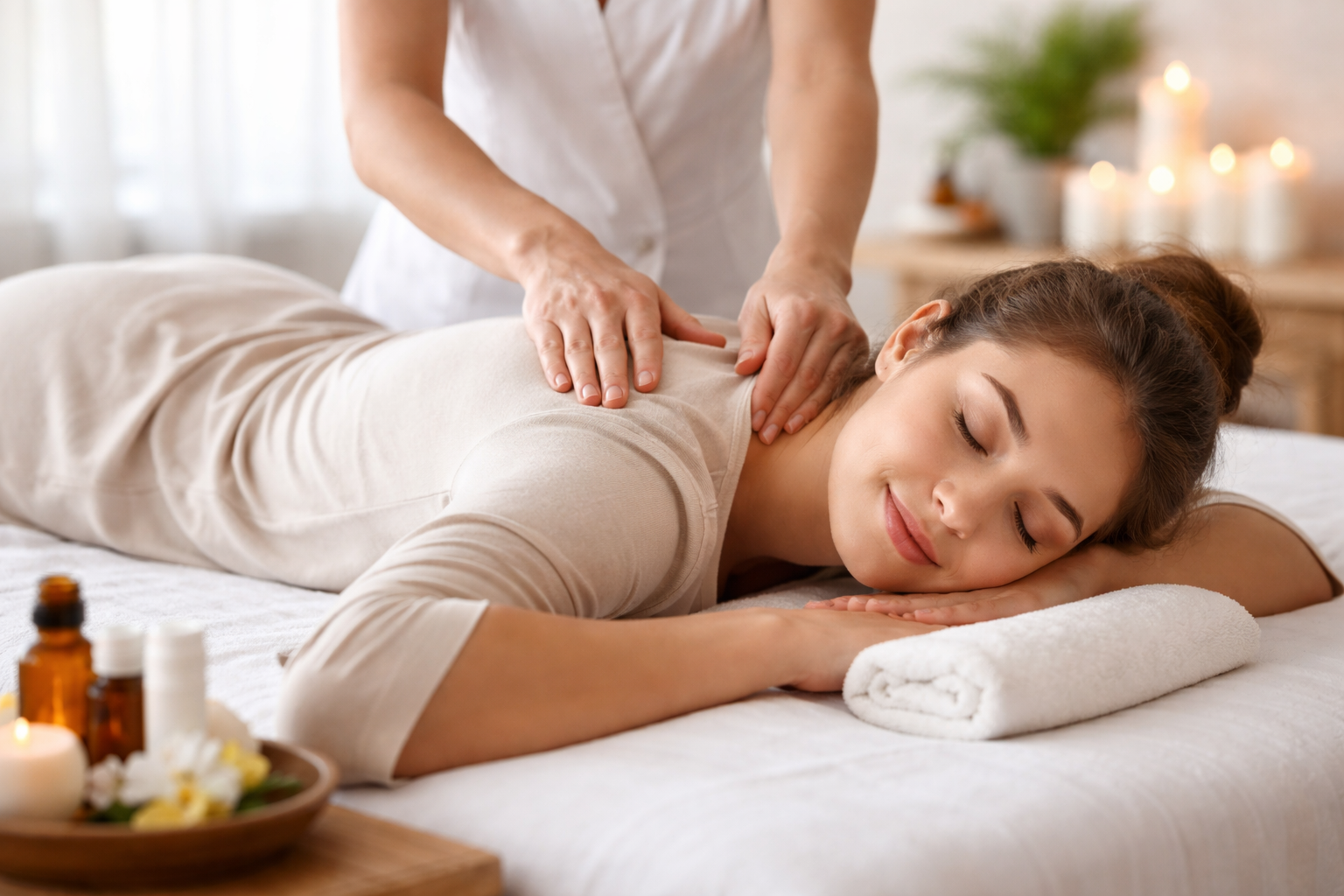
A session of spontaneous muscle relaxation is typically calm, comfortable, and highly individualized. Your therapist will begin by assessing your movement patterns and identifying areas of tension or restriction.
From there, they will use gentle, targeted techniques to encourage the body to release. Unlike more intense forms of massage, the pressure is usually moderate and intentional rather than forceful. The goal is not to push through tension, but to allow it to dissolve.
During the session, you may feel subtle shifts in your body, a sense of heaviness or lightness, or even emotional release. These responses are normal and often indicate that the body is letting go of long-held patterns.
Afterward, many clients report feeling more open, balanced, and at ease in their movements.
Why Spontaneous Muscle Relaxation Therapy Stands Out
What truly sets spontaneous muscle relaxation therapy apart is its respect for the body’s natural intelligence. Rather than forcing change, it creates the conditions for change to happen organically.
This leads to results that are not only effective but also sustainable. Because the body is actively participating in the release process, it is less likely to revert back to old patterns.
Additionally, the gentle nature of the therapy reduces the risk of soreness or irritation, making it a comfortable option for most people.
Making It Part of Your Wellness Routine
Incorporating spontaneous muscle relaxation therapy into your regular wellness routine can help maintain the benefits over time. Depending on your goals, sessions may be scheduled weekly, bi-weekly, or monthly.
Supporting your progress between sessions can also make a big difference. Simple habits like staying hydrated, moving regularly, and being mindful of posture can help your body maintain its new, more relaxed state.
Final Thoughts
Spontaneous muscle relaxation offers a powerful and natural way to relieve pain, improve mobility, and reconnect with your body. By working with the nervous system and allowing muscles to release on their own, it creates lasting change that goes far beyond temporary relief.
If you’re ready to move better, feel better, and experience a deeper level of healing, spontaneous muscle relaxation could be the next step in your wellness journey.