Craniosacral Therapy: What Is Actually Happening During a Session?
Craniosacral therapy is a gentle, hands-on treatment that works with the nervous system, connective tissue, and the body’s natural rhythms. For people dealing with chronic pain, headaches, jaw tension, stress, or ongoing tightness, this therapy can help the body release protective patterns and move toward better balance and function.
If you have been curious about craniosacral therapy, you are not alone. It is one of those treatments that often raises questions because it looks so subtle from the outside. Many people expect bodywork to involve deep pressure, stretching, or strong physical manipulation. This therapy is different. The work is gentle, quiet, and often deeply calming, which leads many people to ask what is actually happening in these sessions.
The answer is that a lot is happening beneath the surface. Craniosacral therapy works with the body’s natural rhythms, the nervous system, and the connective tissues that influence how the entire body feels and functions. For people dealing with chronic pain, headaches, jaw tension, stress, or ongoing tightness that never seems to fully resolve, this gentle approach can help the body shift out of protective patterns and into a more balanced state.
In this article, we’ll explain what craniosacral therapy is, what happens during a craniosacral therapy session, how it supports nervous system regulation, and who may benefit from this gentle bodywork approach.
What Is Craniosacral Therapy?
Craniosacral therapy is a gentle, hands-on bodywork technique that focuses on the central nervous system and the tissues surrounding it. The craniosacral system includes the brain, spinal cord, the membranes around them, and the cerebrospinal fluid that cushions and protects these structures. Because this system is closely connected to the rest of the body, restrictions here can affect much more than the head and spine.
When the body experiences injury, stress, poor posture, repetitive movement, or chronic pain, it often adapts by creating tension patterns. Those patterns may remain long after the original problem began. Over time, they can show up as headaches, neck pain, low back pain, jaw tension, fatigue, nervous system overload, or a general sense that the body is stuck.
This therapy aims to help the body release those patterns in a way that feels safe, gentle, and sustainable.
What Happens During a Craniosacral Therapy Session?
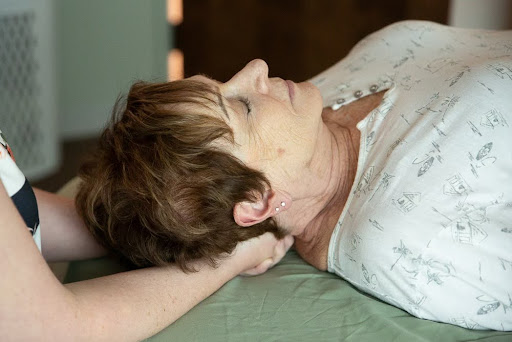
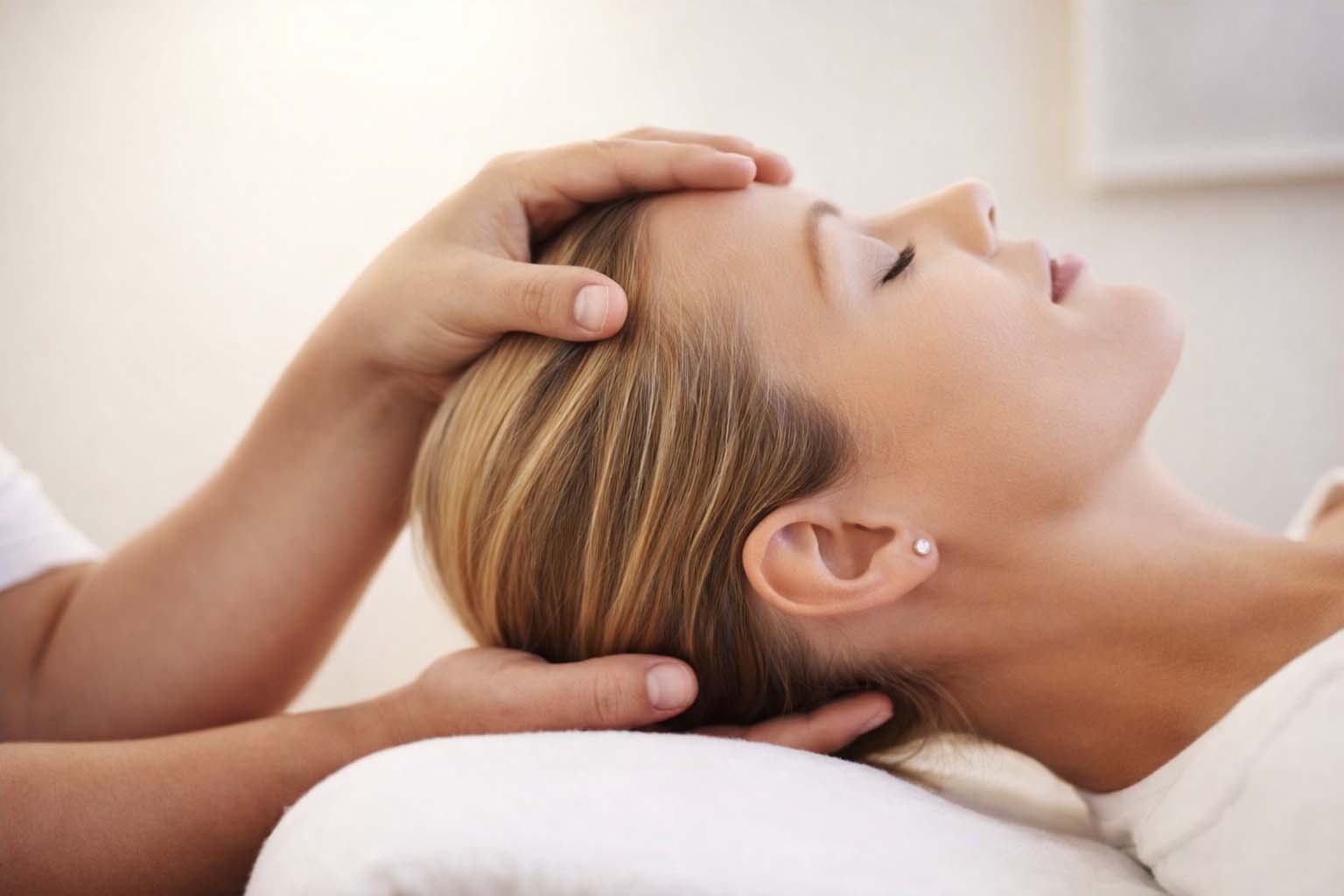
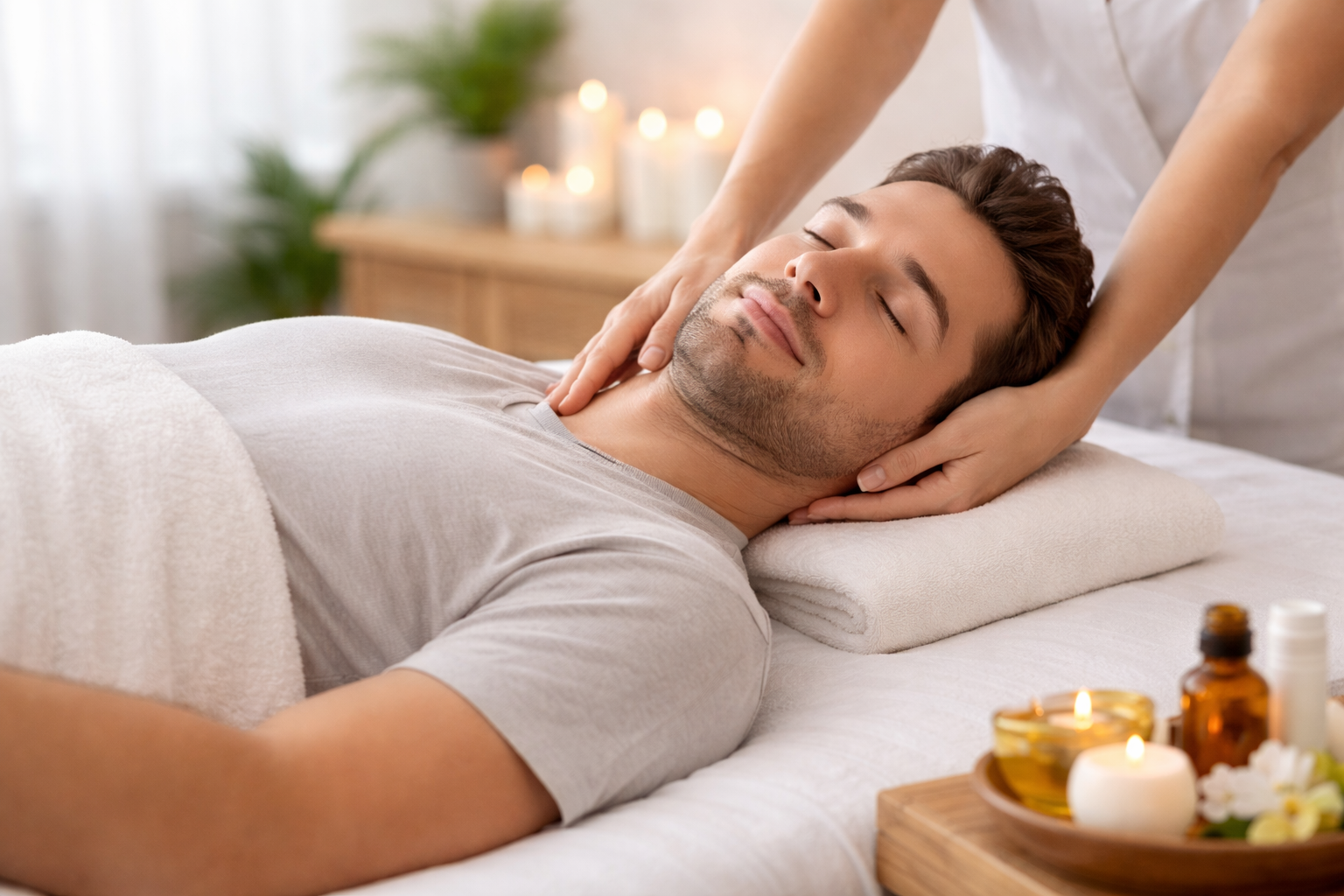
During a craniosacral therapy session, you usually remain fully clothed and lie comfortably on a massage table. The room is often quiet and relaxing, allowing your body to settle. Your therapist uses a very light touch, typically placing their hands on areas such as the head, neck, spine, sacrum, or other parts of the body that seem connected to the pattern of tension.
To someone watching, it may not look like much is happening. There is no forceful pushing or aggressive stretching. But the therapist is not doing nothing. They are carefully listening through their hands for subtle motion, areas of restriction, and the way your body responds to gentle contact.
Craniosacral therapy is less about forcing change and more about helping your body find its way back to healthier movement, regulation, and comfort.
The Therapist Is Listening to the Body
One of the most important parts of craniosacral therapy is assessment through touch. A trained therapist is feeling for the body’s subtle rhythms and noticing where tissues move freely and where they do not. These restrictions can be shaped by old injuries, chronic stress, inflammation, postural habits, or long-standing compensation patterns.
The body is always adapting. If one area becomes restricted, another area often works harder to compensate. That compensation may help in the short term, but over time it can create discomfort, fatigue, and pain in places that seem unrelated to the original issue.
This is one reason someone may come in for headaches and discover the body is also holding tension through the neck, jaw, ribcage, or sacrum. Instead of trying to overpower those patterns, craniosacral therapy helps the therapist meet the body where it is.
That gentle approach can reveal the deeper layers of holding that may be contributing to pain or dysfunction.
What Is Actually Releasing During Craniosacral Therapy?
When people ask what is happening during a this therapy session, one of the clearest answers is this: the body is beginning to let go of patterns it has been holding. These may include muscular guarding, fascial restrictions, nervous system overload, or tension around the spine and skull.
A session may help support release in several ways:
- Calming an overactive nervous system
- Reducing tissue tension and guarding
- Improving subtle mobility in restricted areas
- Encouraging better balance throughout the body
These changes are often not dramatic in the moment, but they can be powerful. Sometimes a person notices the shift during the session. Other times they feel the effects afterward, such as easier breathing, less pressure in the head, decreased pain, or a sense of feeling more grounded in their body.
Craniosacral Therapy and the Nervous System
A major reason this therapy can feel so effective is that it supports nervous system regulation. Many people live in a prolonged state of stress. Even if they are not consciously anxious, their bodies may still be bracing, clenching, and staying on alert.
This can contribute to chronic pain, shallow breathing, poor sleep, digestive disruption, headaches, and general exhaustion. When the nervous system is constantly in a stress response, the body is less able to heal. Muscles stay tight, pain signals may become amplified, and it becomes harder to relax even when you want to.
Craniosacral therapy helps create the conditions for the body to shift out of that fight-or-flight mode and into a state where healing is more possible.
This is one reason sessions often feel deeply restful. It is not only that the room is quiet or that you are lying down. It is that the body is being given a chance to stop guarding. When the body feels safe, it can begin to soften. That softening can affect pain levels, range of motion, sleep, and overall resilience.
Why Is the Touch So Light?
One of the biggest misconceptions about craniosacral therapy is that lighter touch means less therapeutic value. In reality, the gentle touch is part of what makes this work so effective for many people, especially those with chronic pain or a sensitive nervous system.
The body does not always respond well to force. If pressure is too intense, tissues may tighten further and the nervous system may stay defensive. Gentle, intentional touch can communicate safety in a way that allows deeper patterns to shift without resistance.
Instead of overpowering the body, craniosacral therapy works with it. This can be especially helpful for people who are already overwhelmed by pain, inflammation, or nervous system sensitivity. In those cases, a gentler approach may be exactly what the body needs.
Craniosacral Therapy and Fascia
Another important part of craniosacral therapy is its effect on fascia, the connective tissue that surrounds muscles, organs, nerves, and other structures throughout the body. Fascia helps support and organize the body, but it can also tighten and adapt around stress or injury.
When fascia becomes restricted, it can contribute to pulling, compression, and patterns of discomfort that seem to travel across the body. A restriction in one area may affect movement somewhere else entirely. This is one reason chronic pain can sometimes feel complex or hard to explain.
During craniosacral therapy, the therapist may notice these patterns of fascial holding and work gently with them. As the body begins to release, people often describe feeling less compressed, less tense, or more open through the spine, ribs, jaw, or pelvis.

What Does Craniosacral Therapy Feel Like?
The experience of craniosacral therapy varies from person to person. Some people feel obvious changes during the session, while others simply notice they are much more relaxed than expected. Neither experience is wrong. The body responds in its own way.
Common sensations during a session can include:
- Deep relaxation
- Warmth or tingling
- Gentle pulsing or unwinding
- A feeling of heaviness or lightness
- Emotional release or mental quiet
Some people even fall asleep. Others remain awake but enter a very calm state where the mind slows down and the body feels less guarded. It is also common to notice subtle shifts after the session, such as easier movement, reduced pain, less jaw clenching, or better sleep that night.
Who Can Benefit from Craniosacral Therapy?
Because craniosacral therapy supports the nervous system and helps the body release deeply held tension, it can be helpful for a wide variety of issues. It is often sought out by people dealing with chronic pain, recurring headaches, migraines, TMJ dysfunction, neck and back tension, stress-related symptoms, or conditions where the body feels overly reactive and fatigued.
It may be especially appealing if you are looking for an approach that is gentle and non-invasive. For people who do not tolerate deep tissue work well, or whose symptoms are aggravated by more aggressive treatment, craniosacral therapy can offer a different path.
It may be especially supportive for people experiencing:
- Chronic pain conditions
- Headaches or migraines
- Jaw tension and TMJ discomfort
- Neck and back tightness
- Stress and nervous system overload
What Is Happening Beneath the Surface?
Even though a craniosacral therapy session may appear still from the outside, your body may be doing a great deal internally. Tissues may be letting go of old holding patterns. The nervous system may be shifting into a more regulated state. The body may be redistributing tension and restoring subtle movement where things have become restricted.
That is why the effects of craniosacral therapy often go beyond simple relaxation. While relaxation is certainly part of it, the deeper goal is better function. When the body is less guarded and the nervous system is less overwhelmed, there is more room for healing, movement, and comfort.
Final Thoughts on Craniosacral Therapy
Craniosacral therapy is gentle, but that does not mean it is passive. During a session, your therapist is carefully listening to your body, identifying patterns of restriction, and helping your system shift toward release and regulation. The process is subtle, yet the effects can be meaningful, especially for people living with chronic pain, headaches, stress, and long-standing tension.
If you have ever looked at a session and wondered what could possibly be happening with such light touch, the answer is that the work is happening at a level many people are not used to noticing. The body is responding to safety, releasing patterns of strain, and moving toward better balance. For many people, that is exactly what makes craniosacral therapy such a powerful part of their healing process.
If you are looking for a gentle, thoughtful approach to bodywork that supports pain relief and better function, craniosacral therapy may be worth exploring.
Ready to Explore Craniosacral Therapy?
If you are curious whether craniosacral therapy could help with your chronic pain, headaches, jaw tension, or nervous system overload, we would love to help. At Centerville Therapeutic Massage, we take a thoughtful, anatomy-informed approach to bodywork so you can better understand your pain and begin restoring function.
Ready to get started? Book your session today and experience the benefits of craniosacral therapy for yourself.