
How Sport Therapeutic Massage Helps Prevent Injuries and Keep Athletes Moving
Athletes of all levels—whether professional competitors, weekend warriors, or highly active individuals—place significant demands on their bodies. Sport therapeutic massage is a targeted, results-driven approach designed to support muscular health, joint function, recovery, and long-term performance.

Athletes of all levels—whether professional competitors, weekend warriors, or highly active individuals—place significant demands on their bodies. Repetitive movements, intense training schedules, and inadequate recovery can all increase the risk of injury over time.

One of the most effective and often overlooked tools for injury prevention is sport therapeutic massage. More than just relaxation, sport therapeutic massage is a targeted, results-driven approach designed to support muscular health, joint function, and long-term performance.
By addressing dysfunction before it turns into injury, sport therapeutic massage plays a critical role in keeping bodies resilient, balanced, and capable of handling physical stress.
You’ll learn how sport therapeutic massage helps prevent injuries and keep athletes moving by supporting:
- Early identification of problem areas before injury occurs
- Mobility and joint function for safer movement
- Recovery by reducing muscle tension and overuse stress
- Muscle balance to reduce compensation patterns
- Nervous system regulation for coordination and control
- Rehabilitation support for return-to-activity confidence
What Is Sport Therapeutic Massage?
Sport therapeutic massage is a specialized form of massage therapy focused on the unique needs of active bodies. Unlike general massage, it combines clinical knowledge of anatomy with techniques aimed at improving movement quality, reducing strain, and supporting tissue recovery.
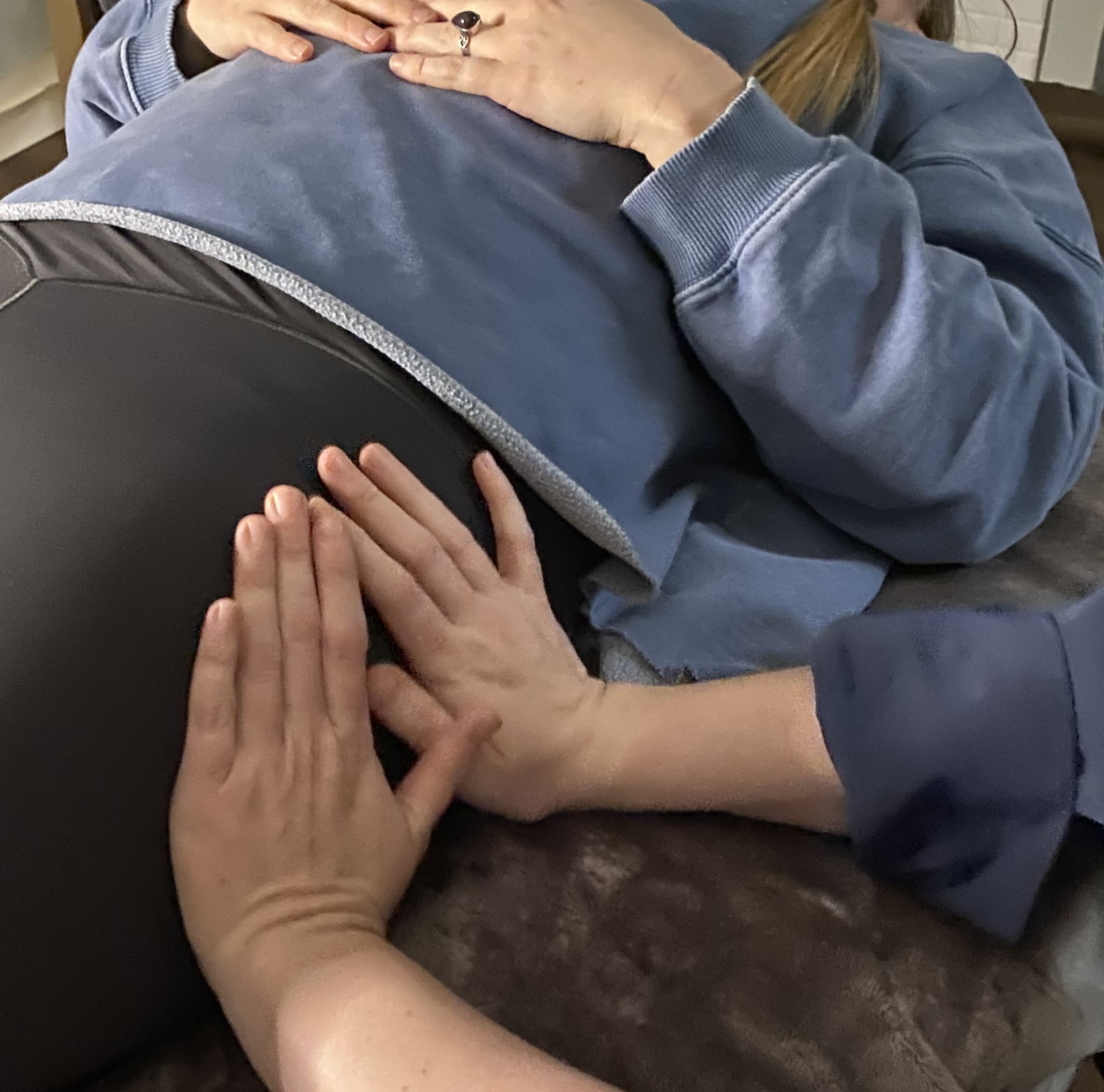
This type of massage is tailored to each individual’s activity level, sport, movement patterns, and injury history. Sessions may include a combination of deep tissue work, myofascial release, trigger point therapy, stretching, and nervous system regulation. The goal is not only to address current discomfort but also to prevent future breakdown.
Identifying Problem Areas Before Injury Occurs
One of the most powerful benefits of sport therapeutic massage is early detection. Many injuries don’t happen suddenly—they develop over time due to muscle imbalances, restricted fascia, or repetitive overuse.
Through regular sport therapeutic massage sessions, a therapist can identify:
- Areas of chronic tension or overcompensation
- Restricted or shortened muscles limiting joint mobility
- Adhesions that alter movement patterns
- Subtle asymmetries that increase strain elsewhere in the body
Improving Mobility and Joint Function
Limited mobility is a major contributor to athletic injuries. When muscles and fascia become tight or restricted, joints are forced to move in inefficient or unsafe ways.

Sport therapeutic massage works to:
- Restore healthy tissue elasticity
- Reduce fascial restrictions
- Improve range of motion
- Support smoother, more efficient movement
Reducing Muscle Tension and Overuse Stress
Overworked muscles are more prone to strains and tears. Training without adequate recovery allows tension to build, reducing circulation and impairing tissue repair.
Sport therapeutic massage enhances recovery by:
- Increasing blood flow to fatigued muscles
- Improving oxygen and nutrient delivery
- Supporting waste removal from tissues
- Encouraging faster healing between training sessions
Supporting Proper Muscle Balance
In most sports, certain muscle groups are used more frequently than others. This imbalance can pull the body out of alignment and place excessive stress on joints and connective tissues.
Enhancing Nervous System Regulation
Injury prevention isn’t only about muscles—it also involves the nervous system. Chronic stress, intense training, and pain can keep the body in a heightened “fight or flight” state, increasing muscle tension and reducing coordination.
Supporting Injury Rehabilitation and Return to Activity
For athletes recovering from previous injuries, sport therapeutic massage is an essential preventive tool. Old injuries often leave behind scar tissue, restricted fascia, or altered movement patterns that increase the risk of re-injury.
Who Can Benefit From Sport Therapeutic Massage?
Sport therapeutic massage isn’t just for elite athletes. It is beneficial for:
- Runners, cyclists, and swimmers
- CrossFit and weightlifting athletes
- Yoga and Pilates practitioners
- Active professionals with physically demanding jobs
- Individuals managing chronic pain while staying active
Making Sport Therapeutic Massage Part of Your Prevention Plan
Consistency is key. Incorporating sport therapeutic massage into your regular wellness routine—rather than waiting for pain or injury—provides the greatest benefit. Sessions can be scheduled around training cycles, competitive seasons, or periods of increased physical demand.
Final Thoughts
Injuries don’t have to be an inevitable part of an active lifestyle. Sport therapeutic massage offers a proactive, anatomy-informed approach to keeping the body strong, balanced, and resilient.
If your goal is not just to recover—but to prevent injury before it happens—sport therapeutic massage is an investment in your body’s long-term health and functionality.